
Zimbabwe’s artisanal miners produce record output, but still face challenges
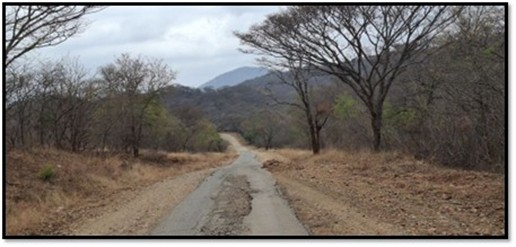
The Victoria Gold belt situated south of Mt Cotopaxi and on the road to Bondolphi Mission from Masvingo
Surging global gold prices have led to a gold rush that is enriching many of Zimbabwe's artisanal and small-scale miners (ASM) This boom has a significant impact on their livelihoods and the national economy, though it also comes with notable challenges.
Fidelity Gold Refinery (FRG) said that in 2025 ASM delivered 34.9 tonnes of gold (75%) while large-scale producers supplied 11.8 tonnes (25%) Zimbabwe’s total production was a record 46.7 tonnes, up 17% on 2024’s figure of 36.48 tonnes.[1]
Some people regard ASM as dirty and dangerous, disturbing and destructive to the environment and often illegal with minimal regulation. However in Zimbabwe, artisanal miners are crucial to the economy and citizen’s livelihoods, providing jobs using low-tech methods to extract gold and other minerals.
Others say it is profitable, productive, and the only means of survival in an environment with few alternatives. artisanal mining plays a vital role in Zimbabwe’s informal economy giving thousands of people an income amid widespread unemployment.
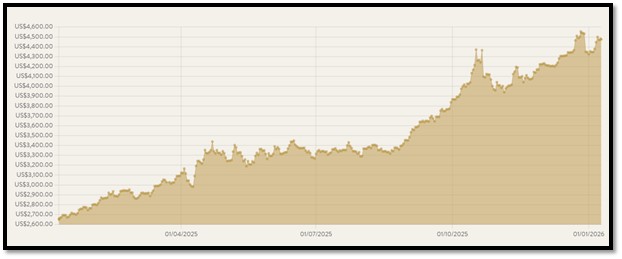
The Royal Mint: gold prices from 1.01.25 – 9.01.26
In general the ASM sector is characterised by rampant criminality and smuggling of gold, violence (MaShurugwi) environmental degradation,[2] low levels of safety measures, absence of health care, lack of technical skills, inadequate safety equipment and lack of machinery and absence of business capital.
Zimbabwe’s gold sector could grow considerably if the government stabilized the mining laws, expanded rural electrification and integrated ASM into the formal economy. Zimbabwe’s estimated gold reserves exceed 10 million ounces (311 tonnes) and could propel Zimbabwe closer to the top ranks in African gold production.
Economic and Livelihood Impact
Artisanal mining is wide-spread in many African countries. The East, Central and Southern African Health Community (ECSA-HC) produced a report of the Population and Size Estimate of Artisanal and Small Scale miners (ASM) in Selected Southern Africa Development Community (SADC) Countries with the numbers listed below[3] although they could be seriously under-estimated.
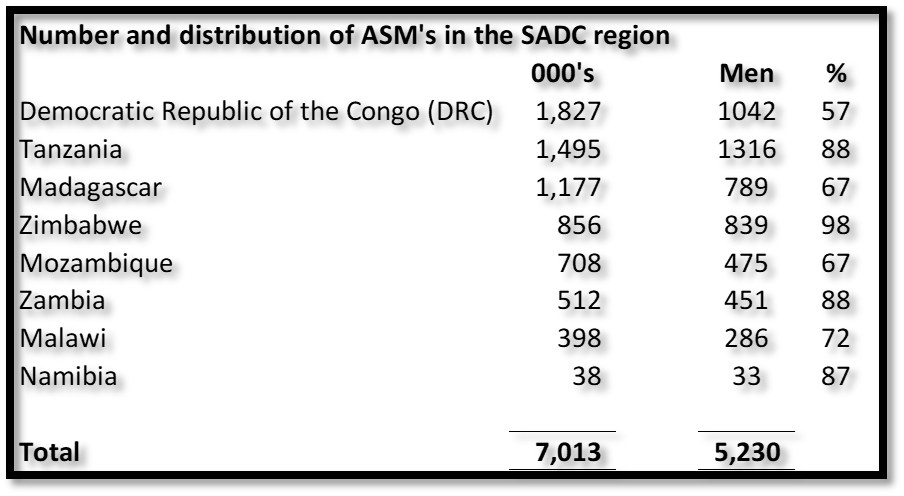
ECSA-HC Report
Increased Wealth: In many of the rural areas with gold belts the influx of cash from high gold prices is visible in the form of new houses and cars. The better profit margins enable ASM’s to reinvest in better processing equipment and mechanical diggers.
Economic Lifeline: Artisanal and small-scale miners (known locally as makorokoza) are a vital part of the Zimbabwean economy, supporting thousands of families amid high unemployment and general economic challenges.
Major Production Drivers: These ASM miners are the primary producers of Zimbabwe's gold output, contributing 75% of the nation's total gold production in 2025. The total national gold earnings surged in 2024 and 2025, driven by record output and high prices.
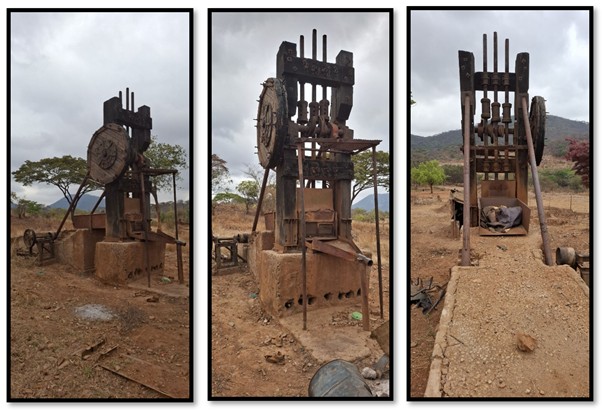
An old 3-stamp mill commonly still in use at Zimbabwean artisanal mine sites – this example could be 100 years old
Associated Challenges and Concerns
Despite the new wealth, the sector faces significant problems:
Smuggling: The gap between official prices paid by the state refinery (Fidelity Gold Refinery, or FGR) and the international market price, coupled with high royalty rates, encourages widespread smuggling of gold to other countries like South Africa and the UAE, where better prices are offered.
A recent report by Swissaid, an NGO, reckons that most of the smuggled gold from Africa is refined in the United Arab Emirates (UAE) where it is refined and loses its identity and its source becomes opaque due to Dubai’s “no questions asked” approach to African gold encourages illicit trade.. (https://www.swissaid.ch/en/articles/on-the-trail-of-african-gold/) Gold exports from the United Arab Emirates (UAE) went up more than 60-fold between 2002 and 2022; gold is now the most valuable export from the UAE after hydrocarbon products.
The report estimates that the amount of smuggled gold more than doubled from 2012 to 2022 with 12 countries, including Ghana, each accounting for at least 20 tonnes of smuggled gold every year Once again, African states are missing out on the full benefits of a commodity boom.
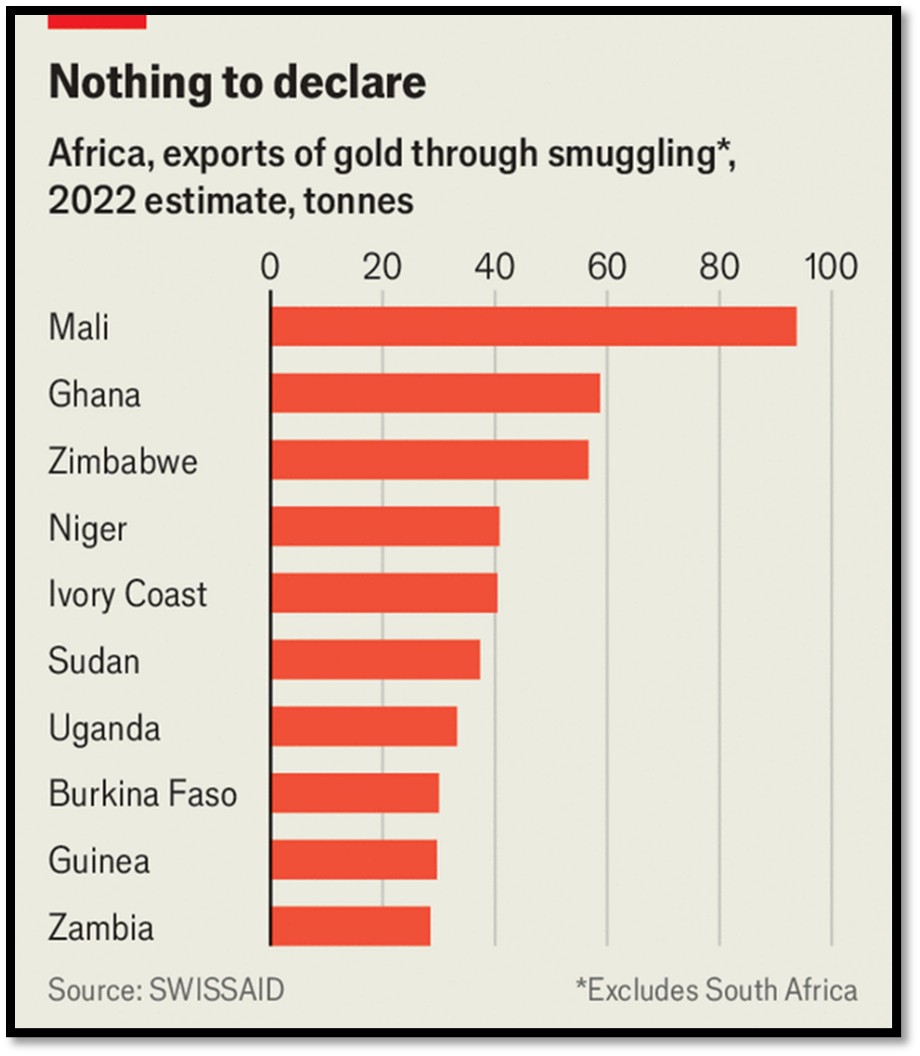
Questionable leadership: The president of the Zimbabwe Miner’s Federation is a proven gold smuggler and has been convicted of trying to smuggle 6kg of gold worth $330,000 from Zimbabwe in 2020. Ms Rushwaya is not related by blood to Zimbabwe's president but in the traditions of their Shona ethnic group, she is considered his niece.[4] She was arrested by military intelligence agents with two agents from the country’s CIO during a political / army power struggle. She was fined $5,000 and given a suspended sentence of 18 months with the 6kg of gold suspended to the state.[5]
The TV series “Gold Mafia”, a TV documentary by Al-Jazeera, a Qatari channel, scared Zimbabwe’s ‘big-wig’ members of ZANU-PF the ruling party who are very much involved in the illicit gold trade.
Violence and Exploitation: The industry is often plagued by violence from machete-wielding gangs (maShurugwi) and is linked to patronage networks involving politically connected individuals who exploit miners. See the article Rushwaya gold-smuggling case exposes a microcosm of the corruption that exists in Zimbabwe today under Midlands Province on the website www.zimfieldguide.com.
Environmental and Health Risks: The use of mercury and other hazardous chemicals, including cyanide to extract gold is contaminating water sources and the environment. See the article Zimbabwe’s artisanal gold miners risk being poisoned with mercury (Hg) under Midlands Province on the website www.zimfieldguide.com
The East, Central and Southern African Health Community (ECSA-HC) report found that most health facilities that are accessed by ASM population can treat minor ailments but ASM’s have to travel for long distances to the district/central hospitals in order to get screened for TB and other occupational lung diseases including silicosis mainly because the nearest health centre cannot offer such services. Despite the fact that SADC countries have made significant progress in terms of improving access to health services, gaps still remain when it comes to health services for the ASM population.
The water, sanitation and hygiene (WASH) situation among ASM communities was also found to be appalling, with limited access to potable water.
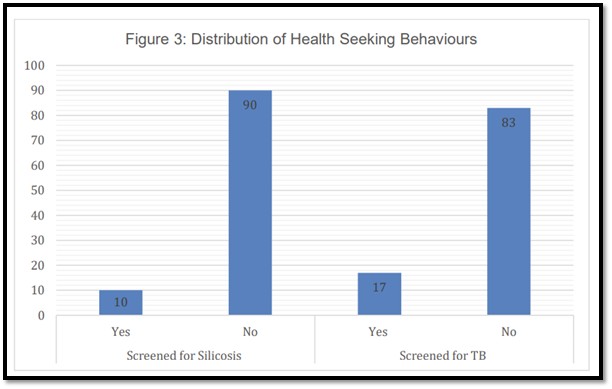
ECSA-HC Report ASM health seeking behaviours
The graph shows that only 10% of ASM were tested for silicosis; 90% had never been screened for silicosis. For TB, 83% of ASM were never screened. Artisanal miners stated that often the nearest health facility was about 8 kilometres away. They had no free time for travelling or walking to health facilities and they were never told about any screening campaigns.[6] Generally they only visited health facilities for HIV related services and to accompany children or wives to ante natal care visits.[7]
Dangerous working conditions: Miners face unsafe shafts and haulage, dust inhalation risks (leading to silicosis), and a lack of protective equipment and healthcare access. See the article Zimbabwe’s artisanal miners, popularly known as makorokoza, risk their lives to make a decent living under Midlands Province on the website www.zimfieldguide.com
Informality: Many ASM reported that it is not easy to obtain a mining licence,[8] so many mining operations are informal and unregulated, which limits miners' access to formal financial systems and makes them vulnerable to exploitation and arrest. The major challenge highlighted by ASM in terms of policy is absence of security of tenure and the legality of their operations as they are always being sought out by the police.
Chinese miners: Despite the artisanal label, a lot of ASM is fairly industrial, partly because of the arrival of Chinese miners and their bulldozers, excavators and gold processing plant. In Ghana some are infamous. Last year Aisha Huang, dubbed the “galamsey queen”, was sentenced to prison for mining without a licence, among other offences. In Zimbabwe a large amount of quartz ore mined by local miners is crushed and processed in mills by Chinese entrepreneurs who have the capital and machinery that local people lack.
A report by Farai Maguwu, the founder and executive director of the Centre for Natural Resource Governance, a Harare-based organization that seeks to defend, protect and support communities impacted by mining read “Chinese mining ventures have led to widespread environmental degradation, disregard for the cultural rights of host communities, and, in many cases, the violation of the country’s labour laws, often with apparent impunity.” It went on to say, “Complaints are mounting in Zimbabwe, where Chinese mining companies have a well-documented history of labour, environmental and human rights abuses. It’s the same story across the continent, as China has been accused of using its Belt and Road Initiative to tap into vast reserves of cobalt, copper, gold, lithium and other minerals.” (https://adf-magazine.com/2025/04/troubles-mount-with-chinese-mining-in-zimbabwe/)
A spate of violent confrontations in January that included two incidents in which Chinese nationals shot at Zimbabwean employees prompted a harsh rebuke from local trade unions. Justice Chinhema, general secretary of the Zimbabwe Diamond and Allied Minerals Workers Union, said workers at Chinese-operated mines are frustrated by “poverty wages” and being forced to work up to 14 hours a day. “At least 95% of these workers at Chinese mines are working under short-term, fixed contracts with no medical care, pension or any other benefit needed when retiring,” he told a Kenyan newspaper The East African. “Worse, they are intimidated and victimized for participating in any trade union activity or joining trade unions, making it difficult for them to collectively bargain for better conditions.”
Challenges Faced by women and Children: The ECSA-HC report said women revealed that they face various challenges which hamper them from participating fully in ASM. There are legal and administrative constraints attributed to traditional customs that restrict women from owning resources and even land. Some are even denied access to mines due to superstitious beliefs. In one district in Zimbabwe, women are not allowed near the mining sites as there is a myth that they can make the gold disappear and are barred from such sites. Interviewed women cited low levels of education which limit them from getting formal education on mines and mineral resources extraction hence most women and children do the light and menial work and are given poor wages as compared to men. Interviewed children indicated that they are exposed to the harsh and unfiltered language used by ASM. Female miners stated that they usually practice traditional ways of gold panning at river sites (what is called kuzungura in Shona)
The gold boom is transforming lives in Zimbabwe's rural areas, but the benefits are often concentrated among a few, while many participants navigate a precarious and often dangerous informal system.
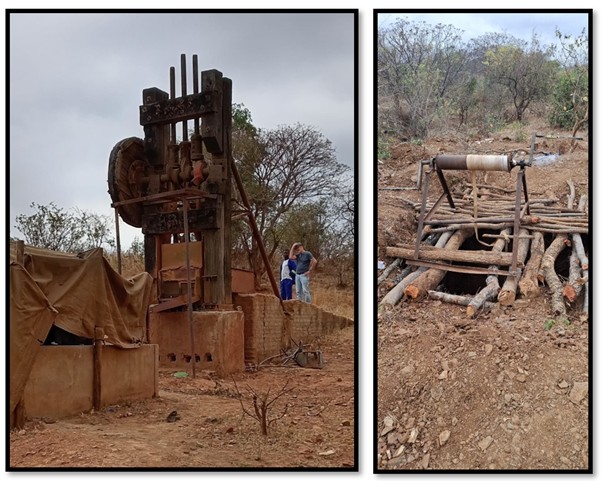
The artisanal miners live in the makeshift shelter in the foreground. Top of a shaft at the Victoria gold belt
Artisanal mining in Africa
Artisanal mining is widespread throughout Africa, involving millions of people. Some estimates are that over eight million people in sub-Saharan Africa work directly in ASM, with more than 45 million relying on mining for their livelihoods.[9]
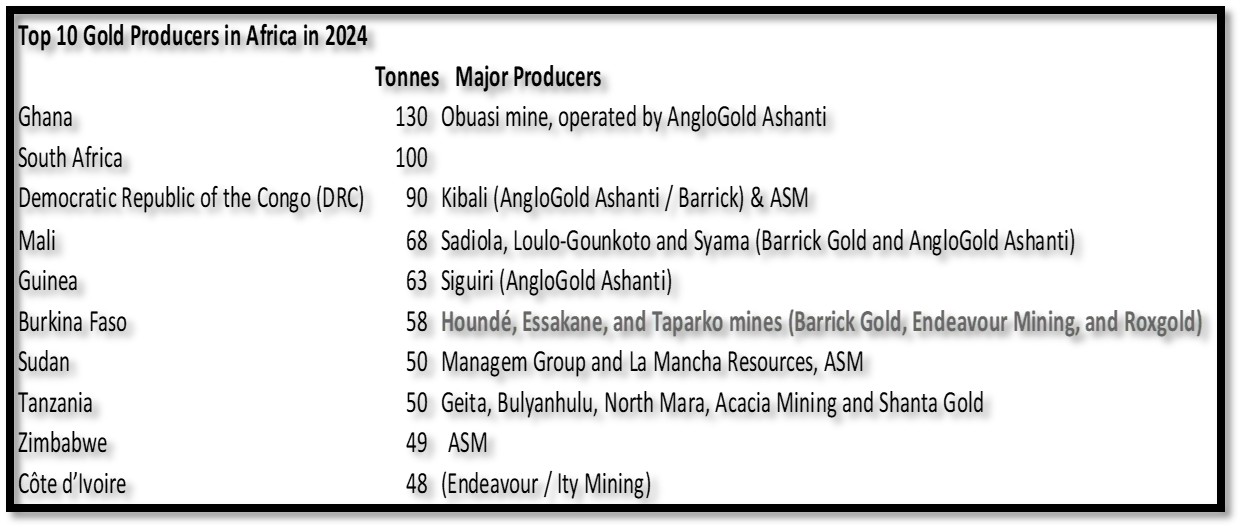
After China, Africa is the second-largest gold-producing region in the world with gold exports expected at more than $45 billion in 2025 driven by rising production and favourable market conditions.[10] West Africa is a key gold mining hub, with Ghana, Mali, Burkina Faso, and Ivory Coast all in the top ten producers. However, many of these countries have experienced declines due to political instability and smuggling.
In the Democratic Republic of the Congo (DRC), artisanal miners supply about 20% of total cobalt output, essential for electronics and more than 50% of gold output.[11] In Ghana, ASM supplies 30% of the gold production, employing about one million people and supporting 4.5 million dependents. In Tanzania 30% of its gold supply comes from ASM.[12] Most of Guinea’s output comes from artisanal miners, 58 tonnes from ASM versus 16 tonnes from big producers. In Sudan ASM accounts for 70-80% of the country’s total production. Ghana’s has an active ASM gold mining (ASGM) sector contributing an estimated 20-30% of total gold production, providing jobs to hundreds of thousands of people, especially in rural areas. The government has made efforts to formalize this sector to increase transparency and reduce illegal mining, known locally as “galamsey,” which poses environmental and regulatory threats.
Artisanal mining in Zimbabwe plays a vital role in the informal economy, offering jobs to thousands of people amid widespread unemployment
Artisanal and small-scale mining (ASM) refers to mining by individuals, groups, families or cooperatives with minimal or no mechanisation, often in the informal (illegal) sector of the market.
They rely on basic tools and limited technology to mine gemstones and key minerals and metals including gold, cobalt, tin, tungsten and tantalum.
The artisanal and small-scale mining (ASM) sector accounts for nearly 60-70% of Zimbabwe’s total gold output, supporting hundreds of thousands of miners and their families. These informal miners, often operating in remote rural areas, provide essential income and employment in communities where formal job opportunities are scarce. The sector’s significance extends to local commerce, with gold revenues fuelling spending on education, healthcare and basic infrastructure in many rural districts.[13]
Historically in Zimbabwe, ASM activity stretches back to the pre-colonial and 16-17th Portuguese periods when local communities engaged in small-scale mining for gold, copper, and iron. See the article The Portuguese Feiras and trading settlements of the 16th – 17th century on the Northern Mashonaland Plateau and Manicaland under Mashonaland Central Province on the website www.zimfieldguide.com
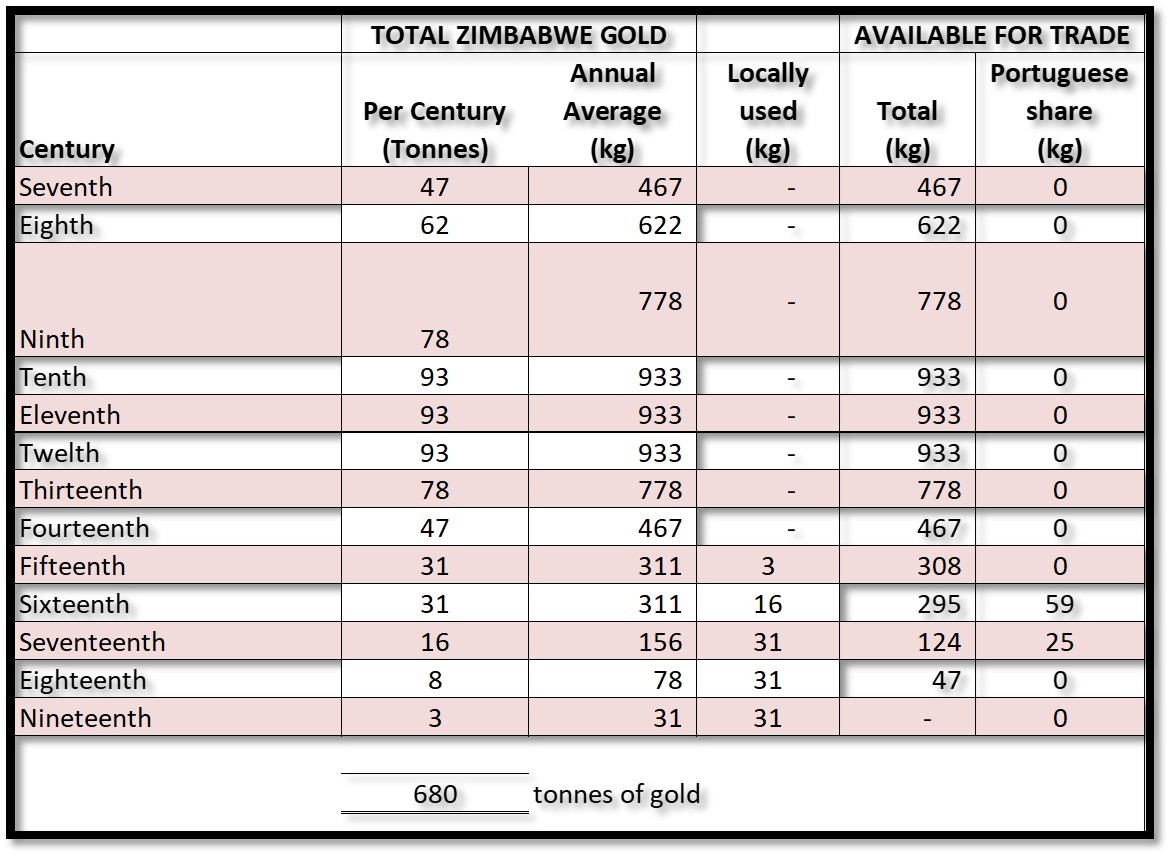
Source: R. Summers Ancient Mining in Rhodesia (converted from troy oz. to kg)
A significant share of these metals is sourced through ASM. Driven by the steady demand for these goods, artisanal miners persist in their work, often facing dangerous and exploitative conditions, including child labour and other human rights violations.
Zimbabwe’s gold sector faces notable constraints particularly power shortages that have been a chronic problem with frequent outages disrupting mining operations and increasing costs.
Due to limited resources, ASM activities are usually confined to surface and shallow underground mining, representing the simpler side of small-scale mining.
Artisanal miners, often called ‘Makorokoza,’ (literally ‘panners’) play an essential role in Zimbabwe’s gold mining industry, contributing significantly to national gold production. 80% of artisanal miners operate informally, unregistered and illegally but gold mining offers critical employment opportunities, particularly in rural areas where formal jobs are scarce and it supports the economy through gold exports and local economic activity.
‘Makorokoza’ often work in groups, sometimes with "sponsors" who comprise well-connected persons with ZANU-PF connections or from the security forces (Police, Army, Airforce) who supply tools and capital.
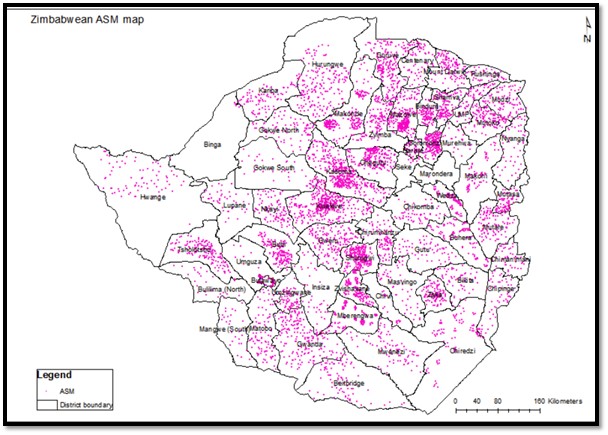
ECSA-HC Graphic: ASM sites distribution throughout Zimbabwe
Most mining activities are concentrated in the provinces within the districts that include Sanyati, Kadoma, Chakari, Shurugwi, Mazowe, Bindura, Shamva, Gokwe, north and south of Mutare, Chegutu, Chinhoyi, Zvishavane, Mutoko, Insiza, Kwekwe, Gweru, Lupane, Battlefields, Gwanda, Bubi and Umzingwane.[14]
Violence and the MaShurugwi
MaShurugwi refers to artisanal gold miners who originally came from the Midlands towns of Shurugwi (formerly Selukwe) and Zvishavane (formerly Shabani) who grab control over artisanal mining operations by violent means. See the article Zimbabwe’s illicit Gold Market hinders the country’s development under Midlands Province on the website www.zimfieldguide.com
MaShurugwi have a bad reputation for using violence to intimidate local people, mining companies and to seize control of likely mining areas in Zimbabwe from competing groups and rivals. They intimidate artisanal miners in gold-bearing areas such as Kwekwe and Kadoma by stabbing, stoning, even shooting whenever they meet resistance. They use machetes, spears, knobkerries and sometimes guns with many wanted by the Zimbabwe Republic Police (ZRP) for committing serious crimes, including rape, kidnapping and murder.
Local people state that political connections with high ZANU-PF officials and patronage have allowed these MaShurugwi gangs to conduct their criminal activities without fear of the ZRP.
The Zimbabwe government and its police force (ZRP) have stated they are taking action against machete violence, known locally as "mashurugwi" violence, by imposing a crackdown on individuals carrying dangerous weapons, such as machetes and knives in mining areas and other parts of the country and conducting arrests.
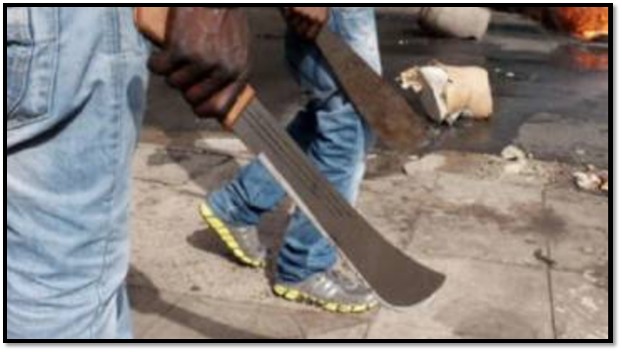
MaShurugwi have been accused of widespread machete violence against artisanal miners
However, these efforts have been widely criticized by civil society organizations and analysts as being inadequate and possibly politically motivated. Civil society groups, such as the Heal Zimbabwe Trust and the Centre for Natural Resource Governance (CNRG), have described the government's response as "pathetic" and "lukewarm." They argue the police and army are quick to use force against peaceful political protesters but show a lack of energy when dealing with the mashurugwi gangs.
The Zimbabwean government set up specialised courts to accelerate the prosecution of mashurugwi members in an public effort to swiftly address the violence.[15] Critics suggest that these gangs are linked to powerful politicians and high-ranking officials within the ruling ZANU-PF party, who use them for their own financial gain in illegal gold mining and also as a force for political intimidation. These allegations raise serious questions about the Zimbabwe government's commitment to stamp out the violence.
Researchers of the ECSA-HC reported stiff resistance from miners who were not willing to participate as they were afraid of being imprisoned for the mining activities they would be doing. In Shamva, at least half of the miners fled from the research team. However, the team worked hard to convince those who stayed to listen and eventually with authority from the Ministry of Health and Child Welfare as well as Zimbabwe Artisanal Miners Association (ZAMA) they agreed to participate.[16]
Economic and social benefits and drawbacks of Artisanal Mining
The biggest benefit is that it provides direct employment to millions of people, particularly in rural areas where formal job opportunities are scarce and it encourages entrepreneurship, fostering self-reliance and economic activity
Artisanal miners typically use their earnings to purchase tools, equipment and the services of other artisanal miners thereby supporting local businesses, indirectly contributing to community development and infrastructure in the local economy.
Artisanal mining plays a key role in earning foreign exchange for Zimbabwe’s national economy by boosting mineral production and export revenues, particularly in the gold sector. Fidelity Gold Refinery (FGR) reported that gold receipts reached a record high of 46.7 tonnes in 2025, up from 36.48 tonnes in 2024, an increase of 17% generating approximately $2.8 billion in revenue for Zimbabwe. FGR stated that 34.9 tonnes was supplied by artisanal and small scale miners with the large-scale gold producers supplying 11.8 tonnes.[17] Mining experts attribute the increase to government established gold service centres to buy gold and support ASM. These centres are there to provide equipment, technical assistance and fair gold prices linked to the London bullion price.
To its credit the government has introduced initiatives to formalize artisanal mining, such as licensing schemes and technical support programs, aiming to increase transparency and improve yields. But policy uncertainty and regulatory changes to the mining laws and tax regimes have restricted investment by big producers.
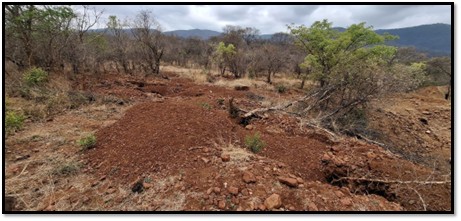
Devastation from gold mining can take decades to recover – Victoria gold belt
The biggest drawback of ASM in Zimbabwe, apart from crime already discussed, is environmental damage caused by deforestation, soil erosion, and water pollution plus the use of hazardous chemicals like mercury and cyanide. Large areas of natural woodland have been destroyed. Soil erosion is caused by indiscriminate digging on hillsides and slopes in search of gold reefs. Water pollution has been extensive on the Angwa, Mazowe and Mutare rivers and in areas such as Penhalonga and the Chimanimani Mountains. Mercury and cyanide leaks into the river systems are leading to severe health issues, including neurological harm to children.
Additionally abandoned open pits at mining sites are often hazardous to both livestock and humans and provide breeding grounds for mosquitoes leading to malaria outbreaks. See the article Chinese mining companies are causing turmoil in the Mavuradonha Wilderness Area under Mashonaland Central on the website www.zimfieldguide.com
For families living at Kwekwe unchecked and unregulated ASM caused a classroom collapse at Globe and Phoenix Primary School and fourteen children were injured when the class caved in as illegal small-scale miners burrowed beneath the pillars that had held the school up for more than a century. Although only one classroom collapsed the Department of Civil Protection said the whole area was in danger, the school was permanently shut down and 900 of the 1,500 children were transferred to the neighbouring school, while others use offices at the Globe and Phoenix Mine as classrooms.[18]
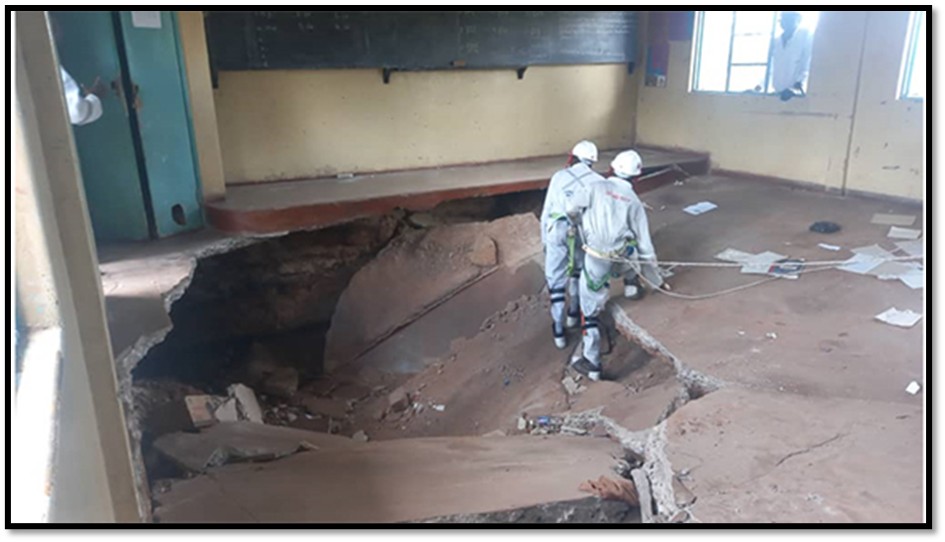
Photo: Calvin Manika/Al Jazeera]
Safety is often neglected in ASM and there have been frequent fatal accidents in Zimbabwe due to lack of proper equipment, such as helmets, gloves, and masks, safety protocols and training in safe mining techniques. Women and children are sometimes also involved, but usually the fatalities are amongst young male miners who have to face harsh and dangerous conditions underground where mining methods are often rudimentary and safety standards are largely disregarded. Amongst many accidents six people died and fifteen others were trapped after a mine shaft collapsed at the Bay Horse gold mine near Chegutu.[19] In 2019, Twenty-six artisanal gold miners perished underground when a dam burst and flooded the Silver Moon and Cricket mines near the town of Kadoma.[20]
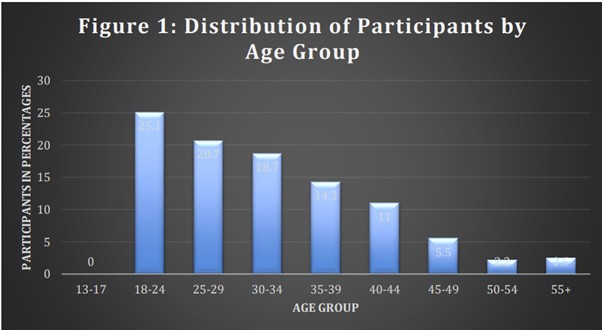
ECSA-HC Report on age distribution of ASM in Zimbabwe
Women in mining areas are particularly at risk of violence, harassment and exploitation, situations that are worsened in unregulated and informal mining areas. While they make up a significant portion of the ASM workforce, their duties are often downgraded to roles that are physically demanding and less profitable such as moving ore, processing minerals, or managing tailings.
Artisanal miners also face exploitation due to lack of regulation, with calls growing for formalization to improve safety, increase revenue and integrate them into the formal mining sector. This lack of legal status often pushes mining operations underground leading to lost government revenue, smuggled minerals and exploitation.
Al Jazeera were told by artisanal miners, “We do not own the pits, in fact, we do not have permission. We get access [to the mines] from ‘mabosses’…They man the entrances to the mines, and to have access means we pay in return in the form of gold,” one miner identified only as Charles said.
Locally, ‘mabosses’ are politically linked individuals who illegally run some mining pits yet have unchecked power. They do not go underground themselves but are paid a cut by miners who are desperate for areas in which to search for gold.
Ngonidzashe, Another miner, said that because their operations are illegal, they need protection from people connected with government officials. “If you look, this Globe and Phoenix is operated by a mining company. Truly, I can’t just come from home and enter then start mining without someone shielding me. ‘Mabosses’ are the people we literally work for … We are shielded by them.”[21]
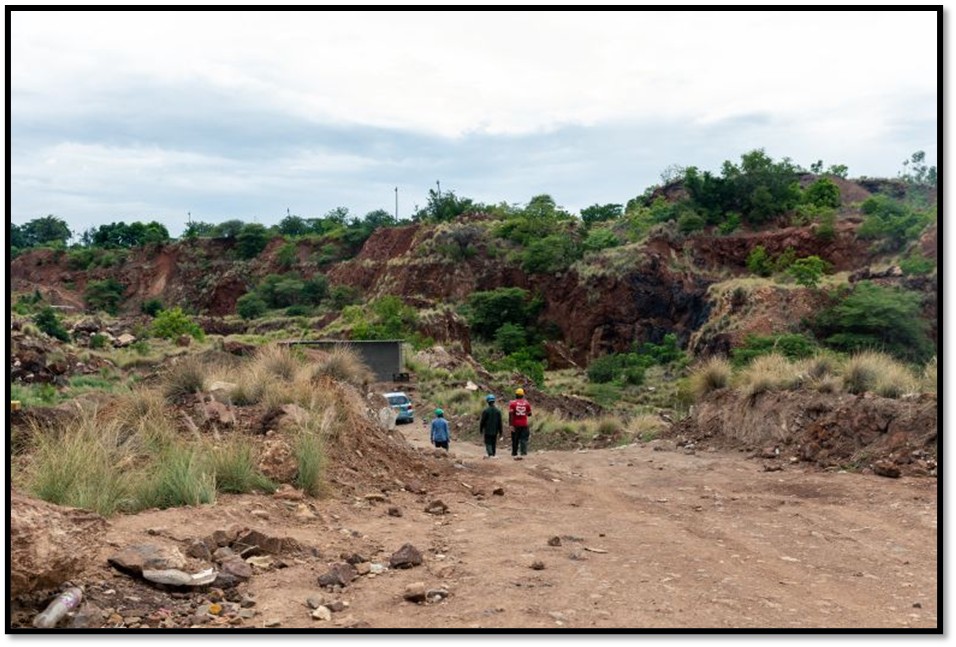
Photo: Jekesai Njikizana/AFP – artisanal miners at the Globe and Phoenix Mine
The Globe and Phoenix Mine closed in 2007 after the Ministry of Mines and Environmental Management authority (EMA) condemned it as unsafe. However artisanal miners began illegally operating at the mine and in early February 2020 a shaft collapsed, killing two and trapping twenty miners underground. [22] According to residents and environmental activists in Kwekwe, illegal miners do not abide by responsible mining practices, often targeting the support pillars within these underground tunnels.
Researchers and advocates say formalizing ASM would lead to safer workplaces, provide training, ensure social protection and support environmental rehabilitation. There is much backing for supportive policies and legislation to recognize and integrate ASM into Zimbabwe's future mining strategy, rather than criminalizing them.
After years of ASM being exploited by Fidelity Gold Refinery (FRG) and its predecessors by being underpaid or being paid partly in Zim dollars, FRG announced prices past US$100 per gram in 2025 and for tens of thousands of small-scale miners who form the backbone of local gold production in Zimbabwe this is a just reward for their efforts and a motivation to sell their gold through the FRG rather than to gold smugglers often linked to ZANU-PF officials. The full price breakdown at 27 May 2025 from FRG was as follows:[23]
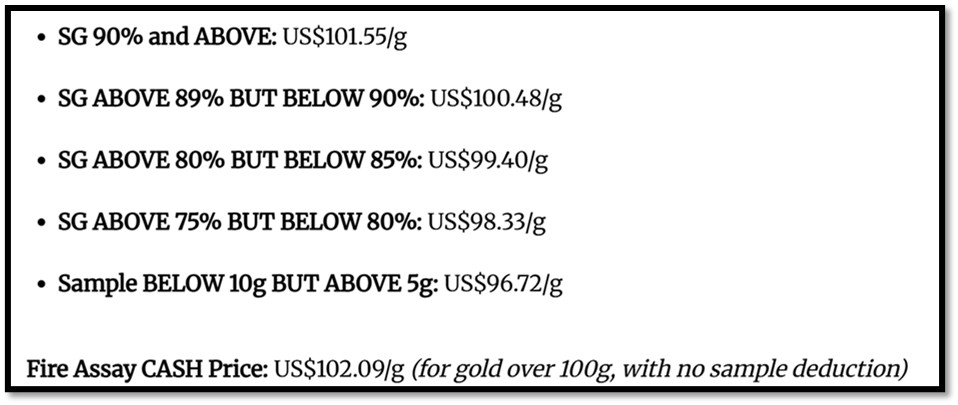
Artisanal mining in Zimbabwe; a good or bad thing?
Artisanal gold mining is economically essential for many Zimbabwean communities for whom it forms a vital income source and survival strategy for numerous Zimbabweans facing systemic poverty and unemployment, the vast majority of whom work in the informal sector, made up of low-paying, temporary and precarious jobs. Zimbabwe's fragile economy is characterised by poor government policies enabled to make the ZANU-PF apparatchiks rich and is marked by hyperinflation and reduced purchasing power, this coupled with the El Niño drought, left more than seven million people largely in the rural areas facing food shortages during the 2024-2025 lean season.
However ASM incurs a considerable environmental and social cost including extensive deforestation, soil erosion and water pollution resulting from mining activities, as well as health risks including mercury exposure and dust and livelihood disruptions in local communities. Mining along the banks of rivers leads to their silting up with the sediment negatively affecting the water quality for both wildlife and human communities.
Artisanal mining tailings and open-pit excavations often leave soil compaction, chemical contamination from gold processing and alterations to the river systems. There is usually no attempt at restoration of artisanal mining areas and natural rehabilitation can take decades and may fail to restore the environment. Harmful chemicals such as mercury and cyanide are often released into the soil and the river systems adding to the ecological degradation that negatively impacts flora and wildlife and posing health risks to human communities.
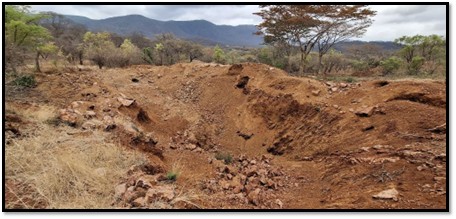
Excavations from ASM activities at Victoria gold belt
There are significant health risks that come with artisanal gold mining and in the use of hazardous substances, especially mercury in gold extraction. There is usually a lack of safety equipment and dust and fumes during mining activities can lead to respiratory disorders. Limited access to healthcare due to remote mining sites increases health risks from illnesses and injuries to miners and their families. In Zimbabwe clinics and hospitals are limited, always inadequately funded and often difficult to access.
ASM mining often leads to social unrest, land disputes and the displacement of communities, particularly when it encroaches upon agricultural lands and traditional communal areas. The informal nature of these operations makes miners vulnerable to exploitation and unsafe working conditions.
There is an urgent need for sustainable mining practices and robust governance to strike a balance between economic development and environmental protection.
Engagement between government agencies, non-governmental organisations (NGO’s) with local communities is essential when planning changes to the regulations of mining activities and is crucial for their effective operation and needs to include local needs and knowledge and cultural requirements. Artisanal miners can be educated and trained in workshops on sustainable practices that protect the environment.
Regulation must include government support to AGM’s with an emphasis on improving skills training, making microfinance more available to allow for purchase of plant and safety equipment and providing better access for artisanal miners to register their claims and gain legal protection.
References
Sebastiane Ebatamehi. 12 Aug 2025. The African Exponent. Top 10 Gold Mining Countries in Africa 2025. https://www.africanexponent.com/top-10-gold-mining-countries-in-africa-2025/
Calvin Manika. 5 Sept 2024. Aljazeera. A city at risk of collapsing: The cost of the search for gold in Zimbabwe. https://www.aljazeera.com/features/2024/9/5/a-city-at-risk-of-collapsing-the-cost-of-the-search-for-gold-in-zimbabwe
Rumbidzaishe Matambo. 4 Mar 2025. Accord. Artisanal Mining in Zimbabwe: A Complex Narrative of Balancing Economic Gains and Social Strife. https://www.accord.org.za/conflict-trends/artisanal-mining-in-zimbabwe-a-complex-narrative-of-balancing-economic-gains-and-social-strife/#:~:text=However%2C%20artisanal%20mining%20in%20Zimbabwe,and%20frequently%20illegal%20mining%20practices
Mining Zimbabwe. Issue 84, 2025. ASM sector shines in achieving the 40-Tonne Gold Target: Here is Why. P16-17. https://miningzimbabwe.com/wp-content/uploads/2026/01/Mining-Zimbabwe-Magazine-edition-84.pdf
Xinhua. New Zimbabwe. 10 Jan 2026. Zimbabwe’s gold production reaches all-time high in 2025. https://www.newzimbabwe.com/zimbabwes-gold-production-reaches-all-time-high-in-2025/
Ebastiane Ebatamchi. 12 Aug 2025. Top 10 Gold Mining Countries in Africa 2025
East, Central and Southern African Health Community (ECSA-HC). Population and Size Estimate of Artisanal and Small Scale miners (ASM) in Selected Southern Africa Development Community (SADC) Countries. https://ecsahc.org/wp-content/uploads/2025/01/ASM-Mapping-.pdf
Notes
[1] Xinhua. 10 Jan 2026. New Zimbabwe. Zimbabwe’s gold production reaches all-time high in 2025. https://www.newzimbabwe.com/zimbabwes-gold-production-reaches-all-time-high-in-2025/
[2] See the article Zimbabwe Mining Company Linked to Shady Deals With Belarusians under Manicaland on the website www.zimfieldguide.com
[3] Population and Size Estimate of Artisanal and Small Scale miners (ASM) in Selected Southern Africa Development Community (SADC) Countries
[4] BBC News. 1 Nov 2023. Henrietta Rushwaya: Zimbabwe president's relation convicted of gold-smuggling. https://www.bbc.co.uk/news/world-africa-67290992
[5] Tapiwa Svondo. 12 June 2024. Prosecutor in Rushwaya’s gold smuggling case sentenced to 8 years imprisonment for fraud. https://www.newzimbabwe.com/prosecutor-in-rushwayas-gold-smuggling-case-sentenced-to-8-years-imprisonment-for-fraud/
[6] ECSA-HC, P101
[7] Ibid, P102
[8] Ibid, P101
[9] Artisanal Mining in Zimbabwe: A Complex Narrative of Balancing Economic Gains and Social Strife
[10] Top 10 Gold Mining Countries in Africa 2025
[11] Extractive Industries Transparency Initiative (EITI)
[12] Artisanal Mining in Zimbabwe: A Complex Narrative of Balancing Economic Gains and Social Strife
[13] Top 10 Gold Mining Countries in Africa 2025
[14] Population and Size Estimate of Artisanal and Small Scale miners (ASM) in Selected Southern Africa Development Community (SADC) Countries.
[15] Artisanal Mining in Zimbabwe: A Complex Narrative of Balancing Economic Gains and Social Strife
[16] ECSA-HC Report, P96
[17] Zimbabwe’s gold production reaches all-time high in 2025
[18] A city at risk of collapsing: The cost of the search for gold in Zimbabwe
[19] BBC News. 30 Sept 2023. Six dead and 15 trapped in Zimbabwe gold mine collapse. https://www.bbc.co.uk/news/world-africa-66968026
[20] Mining Weekly. 10 May 2019. Abandoned gold mines a 'deadly panacea' for Zimbabwe's jobless. https://www.miningweekly.com/article/abandoned-gold-mines-a-deadly-panacea-for-zimbabwes-jobless-2019-05-10
[21] A city at risk of collapsing: The cost of the search for gold in Zimbabwe
[22] New Zimbabwe. 6 February 2020. Two miners feared dead, scores trapped as Globe and Phoenix Mine collapses. https://www.newzimbabwe.com/two-miners-feared-dead-scores-trapped-underground-globe-and-phoenix-mine-collapses/
[23] Mining Zimbabwe. Gold Prices per gram from Fidelity Gold Refinery Hit over US$100 / gram. https://miningzimbabwe.com/gold-prices-per-gram-from-fidelity-gold-refinery-hit-over-us100-gram/#google_vignette